Let’s be honest—twenty years ago, all a baseball player needed was a glove, a wooden bat, and maybe some sunflower seeds in their back pocket. Today? The game is faster, the pitches are nastier, and the margins between winning and losing are razor-thin.
As a coach, I see players constantly asking how to get an extra edge. The truth is, the right baseball accessories aren’t just about looking cool (though “look good, play good” is definitely real). The modern accessories are about protection, performance tracking, and absolute comfort.
Whether you need to protect your lead hand on a head-first slide with a specialized mitt, or you want to track your swing speed with a smart sensor, the gear has evolved. I have spent the last few weeks testing the latest gear on the market. Throw away your outdated lists—here are the absolute best baseball accessories you actually need in your bag this season.
The Best Baseball Accessories in 2026
As a coach, you need to be up to date on the latest baseball equipment in order to assist your players in performing at their best. There are several new, breakthrough accessories in the industry in 2026 that are changing the game.
To identify the greatest baseball gear, I did thorough research. I have seen and read reviews, watched the product videos, and even tried some of the products for myself. one of my colleagues and other coaches and players also helped me to put up the list.
I’ve compiled a list of the top accessories in each category, so you are spared from the work of looking for them.
Best Baseball Bats
Baseball bat is the most important baseball accessory. We already know that.
But before you choose your favorite baseball bat, question yourself: Does it have what I need?
First, think about the bat’s material. Wood bats have been used for a long time, but they may not last as long as composite or aluminum bats. Aluminum bats may have more power and an improved feel, but composite bats are lightweight and have a larger sweet spot.
Second, consider bat length and weight. If your bat is too heavy or too light, it can change how you swing and how well your performance will be. Make sure to choose a bat that fits your hands well and feels even.
Lastly, think about your personal preferences and the league rules. Do you like a bat in one piece or two pieces? Are there any rules about the size or type of bats in your league? Consider these before selecting a bat.
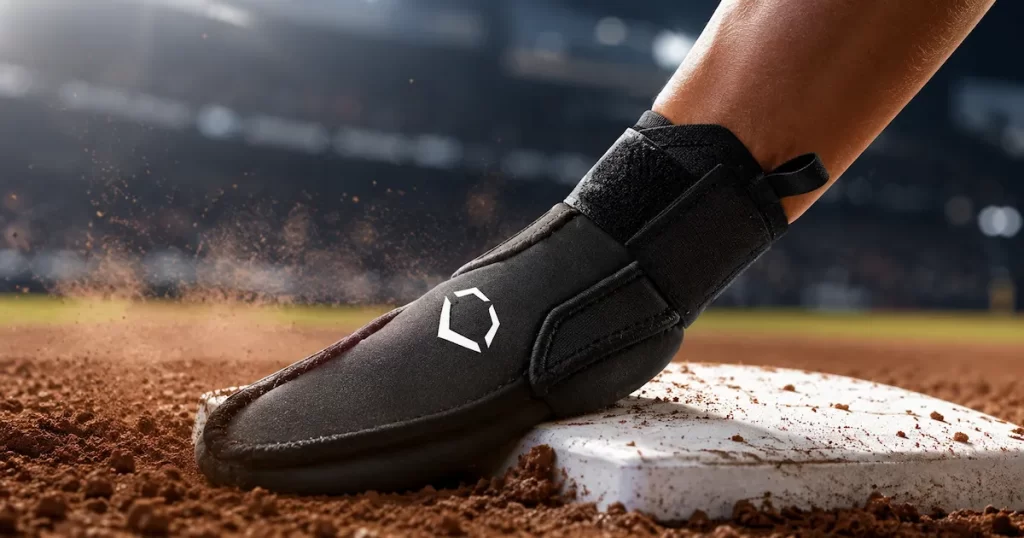
01. EvoShield PRO-SRZ Sliding Mitt (The Absolute Must-Have)
⚾ The Coach’s Quick Breakdown
- ? Best For: Aggressive baserunners who love stealing bases and head-first slides.
- ?️ Protection Level: Maximum (Hard exterior shields top and bottom of the hand).
- ? Trend Factor: Currently the most popular accessory in competitive baseball.
- Prevents broken fingers and jammed wrists when sliding into hard bases.
- Reversible design fits both the left and right hand perfectly.
- Thumb hole allows you to keep your thumb out, or tuck it inside for full encapsulation.
- You have to remember to take it out of your back pocket once you get on base.
?️ Coach Jason’s Verdict: Five years ago, only guys like Trea Turner wore these. Today, I mandate them for my high school players. A jammed finger on a slide can ruin your entire batting season. The EvoShield mitt is built like a tank and looks incredibly intimidating on the basepaths. If you only buy one accessory this year, make it this.
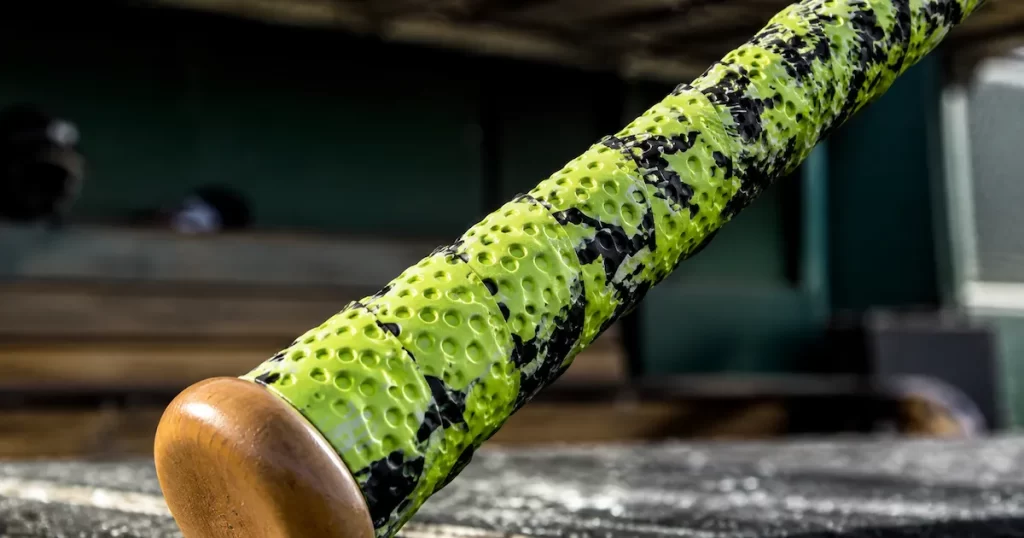
2. Lizard Skins DSP Bat Grip
⚾ The Coach’s Quick Breakdown
- ? Best For: Hitters who want maximum control, vibration dampening, and personalized bat swag.
- ?️ Material: Durasoft Polymer (DSP)
- ? Thickness Options: 0.5mm (Pro Feel), 1.1mm (Standard), 1.8mm (Max Cushion)
- Dramatically reduces bat sting (vibration) on mis-hits off the hands.
- Provides incredible tackiness in both dry and wet/sweaty conditions without needing pine tar.
- Comes in dozens of crazy colors and MLB team themes to customize your bat.
- Requires patience and a steady hand to wrap it perfectly around the handle without overlapping too much.
?️ Coach Jason’s Verdict: The factory grips that come on $400 composite bats are usually terrible. The first thing my guys do when they get a new bat is rip off the factory grip and put on a 1.1mm Lizard Skin. It gives you a slip-free grip that allows you to loosen your hands, resulting in faster bat speed. Plus, looking down and seeing your favorite color combo just builds confidence in the box.
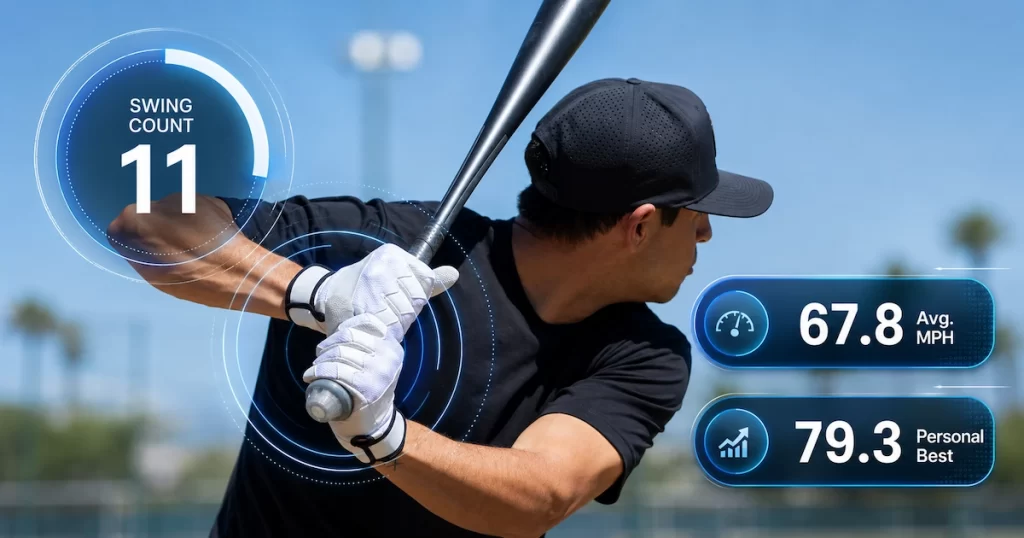
3. Blast Motion Baseball Swing Analyzer
⚾ The Coach’s Quick Breakdown
- ? Best For: Serious travel ball players and high schoolers who want data-driven swing improvements.
- ? What it Tracks: Swing speed, attack angle, time to contact, and power.
- ? Tech: Bluetooth pairs instantly with your smartphone.
- Attaches seamlessly to the knob of any bat without changing the weight or feel.
- The app automatically clips video of your swing and overlays your metrics (perfect for recruiting videos).
- Provides actionable drills based on your specific swing flaws.
- Expensive compared to traditional accessories.
- Some advanced features in the app require a premium subscription.
?️ Coach Jason’s Verdict: In 2026, guessing isn’t good enough. If a kid is popping the ball up, I don’t just tell him to “swing level.” I put the Blast sensor on his bat and show him his attack angle is +20 degrees. This little device turns your backyard batting net into a professional tech lab. It is the best investment a parent can make for a kid serious about hitting.
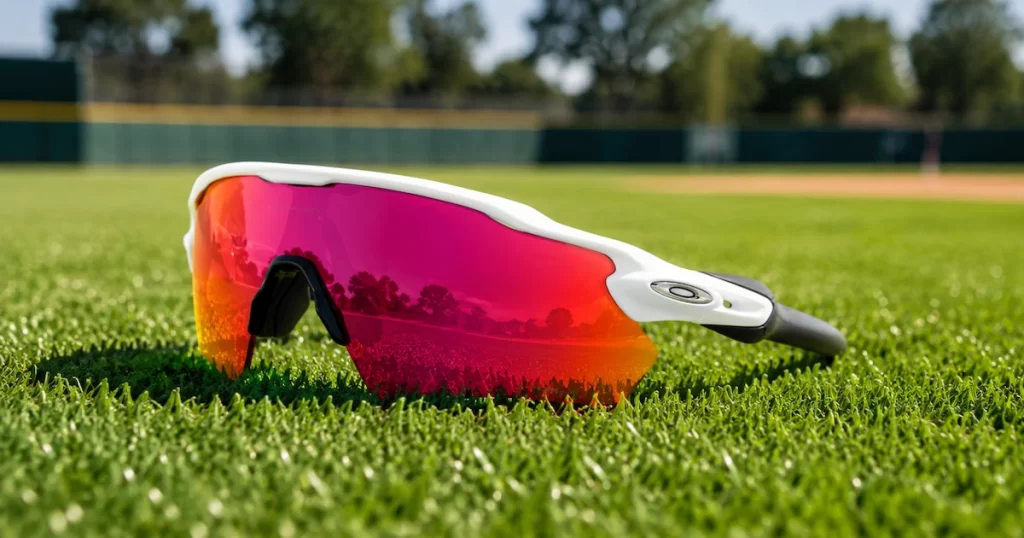
4. Oakley Radar EV Pitch Sunglasses
⚾ The Coach’s Quick Breakdown
- ? Best For: Outfielders battling the high noon sun and infielders tracking grounders in the dirt.
- ?️ Lens Tech: Prizm Field (Specifically engineered for baseball).
- ?️ Frame: O Matter (Lightweight and shatterproof).
- The Prizm Field lenses are magic—they boost the contrast of the red stitches against the green grass and blue sky.
- Unobtainium ear socks actually grip *tighter* as you sweat, meaning they won’t fall off when you dive.
- Provides 100% UV protection and meets impact resistance standards.
- Premium price tag compared to gas station sunglasses.
?️ Coach Jason’s Verdict: Losing a fly ball in the sun is the worst feeling in the world. Cheap sunglasses just make everything dark, which makes it harder to see the spin on the ball. Oakley’s Prizm lenses actually enhance color contrast. Yes, they cost more, but they are a legitimate piece of safety and performance equipment for any outfielder.
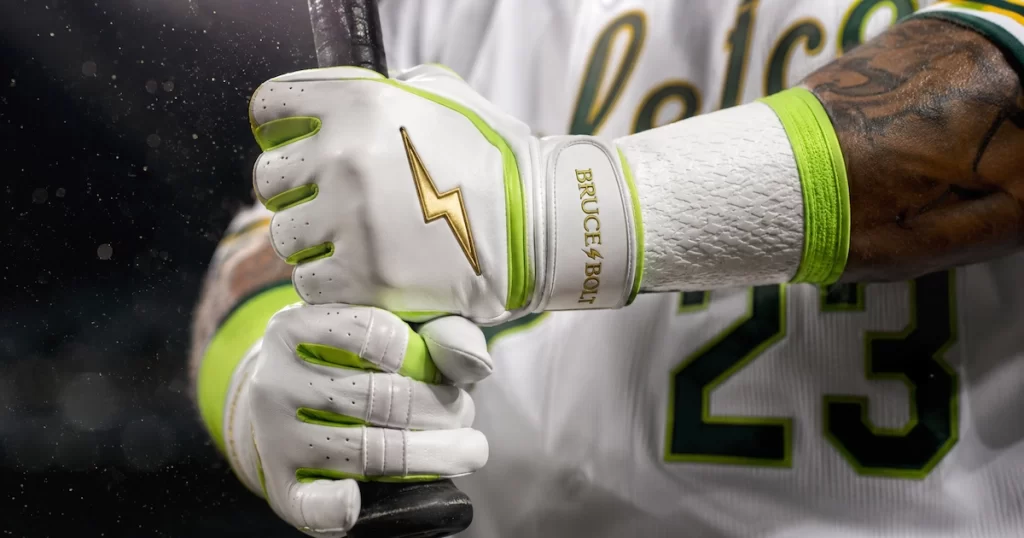
5. Bruce Bolt Premium Pro Batting Gloves
⚾ The Coach’s Quick Breakdown
- ? Best For: Hitters who destroy cheap batting gloves and want maximum wrist support with premium “swag.”
- ?️ Material: 0.9mm Cabretta Leather (The softest, most durable leather in the game).
- ? Trend Factor: Currently dominating MLB and High School travel ball.
- Double-reinforced palm prevents the gloves from ripping after just one month of batting practice.
- The long-cuff design acts as a built-in wrist strap, providing incredible support during your swing.
- Unmatched aesthetic—they are simply the best-looking gloves on the market right now.
- Premium price tag (often double the price of standard Franklin or Nike gloves).
?️ Coach Jason’s Verdict: I used to buy my players $30 batting gloves, and they would rip holes in the palm within three weeks. Bruce Bolt completely changed the industry. Yes, you are paying a premium price, but these Cabretta leather gloves actually last an entire season. The wrist support is phenomenal, and let’s be honest—kids absolutely love the lightning bolt swagger.
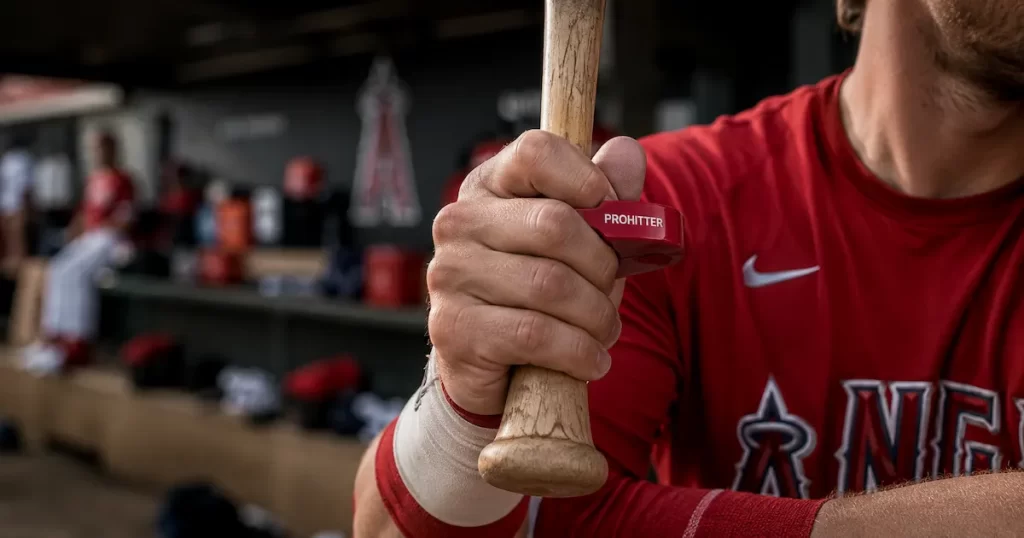
6. PROHITTER Batting Aid / Thumb Guard
⚾ The Coach’s Quick Breakdown
- ? Best For: Hitters who suffer from bat sting, bone bruises, or struggle to keep the bat in their fingers.
- ?️ Material: Durable, flexible rubber-like resin.
- ? Price Point: Ultimate Budget (Under $20).
- Instantly eliminates painful bat sting and bone bruises on the top hand thumb.
- Forces the hitter to hold the bat in their fingers (not deep in the palm), immediately increasing bat speed.
- Fits easily in your pocket and lasts for years.
- Because it is so small, it is extremely easy to lose in the dugout or dirt.
?️ Coach Jason’s Verdict: Watch a professional baseball game on TV and look closely at the batter’s top hand—you will see this little piece of rubber on almost every thumb. For less than $20, it is the best investment you can make. Not only does it stop the pain of an inside pitch, but it mechanically forces better hand placement for a faster, whippier swing.
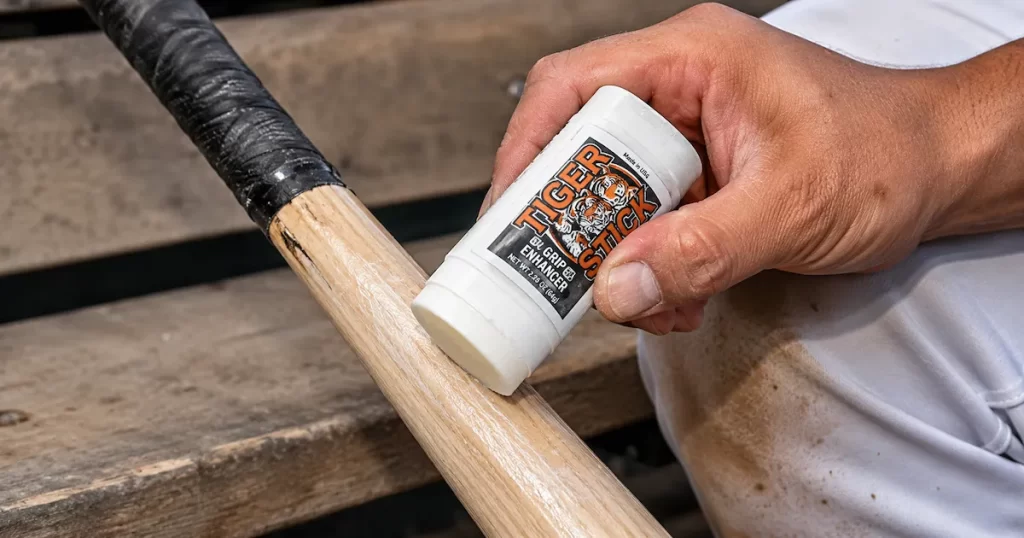
7. Tiger Stick Bat Grip / Pine Tar Alternative
⚾ The Coach’s Quick Breakdown
- ? Best For: Traditional players and wood-bat leagues who want ultimate tackiness without the messy liquid pine tar.
- ?️ Material: Solid grip enhancer (looks like a stick of deodorant).
- ⏱️ Application: Rub directly onto the bat taper.
- Provides an incredibly sticky, locked-in grip even in the hottest, sweatiest summer months.
- Way less messy than traditional liquid pine tar (won’t ruin your entire gear bag).
- A single stick will easily last you an entire 162-game season.
- Will heavily stain your batting gloves and leave a thick residue on the bat over time.
?️ Coach Jason’s Verdict: If you don’t like the spongy feel of Lizard Skins and prefer holding bare wood or raw metal, you need the Tiger Stick. It gives you that old-school, aggressive tackiness that hitters love. Just rub a little bit above the handle, tap your batting gloves on it, and you are completely locked in.
8. EvoShield PRO-SRZ Batter’s Leg Guard
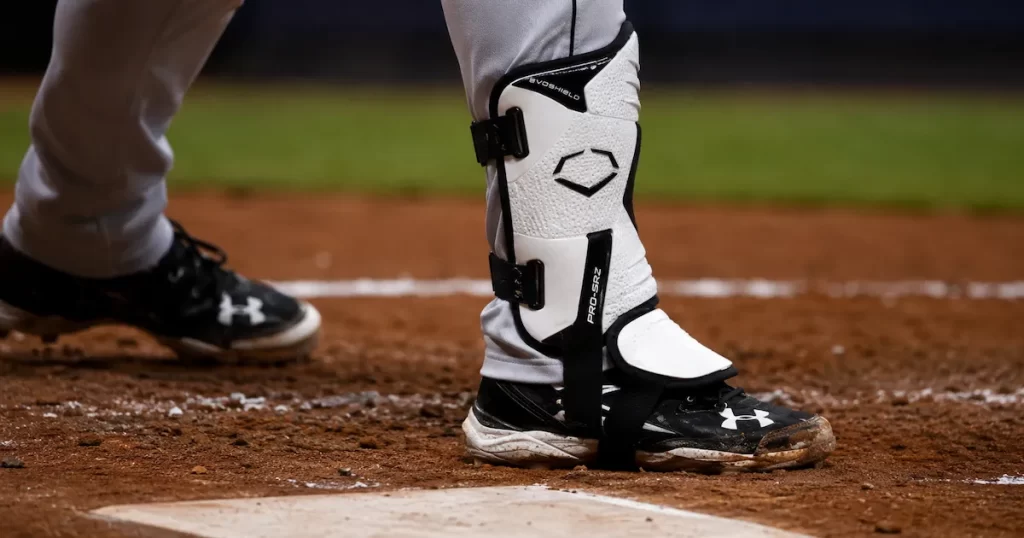
⚾ The Coach’s Quick Breakdown
- ? Best For: Hitters who crowd the plate and want to protect their shin/ankle from painful foul balls.
- ?️ Technology: Gel-to-Shell Custom Fit (Starts soft, hardens to your specific leg shape).
- ⚾ Position Focus: All Batters.
- The custom molding process ensures the guard wraps perfectly around your unique leg shape without slipping.
- Absorbs massive impact from 90+ MPH foul balls off the shin or ankle bone.
- Very lightweight; you can easily run the bases without feeling dragged down.
- You only get ONE chance to mold it. If you mess up the fitting process, it stays that shape permanently.
?️ Coach Jason’s Verdict: Taking a line-drive foul ball directly off your shin bone is the kind of pain that will make you timid in the batter’s box for weeks. The EvoShield Leg Guard is cheap insurance. The Gel-to-Shell technology is basically magic—it arrives in a foil bag, you wrap it around your leg, and 30 minutes later, you have a rock-hard shield customized perfectly to your body.
9. PitchLogic Smart Baseball by F5 Sports
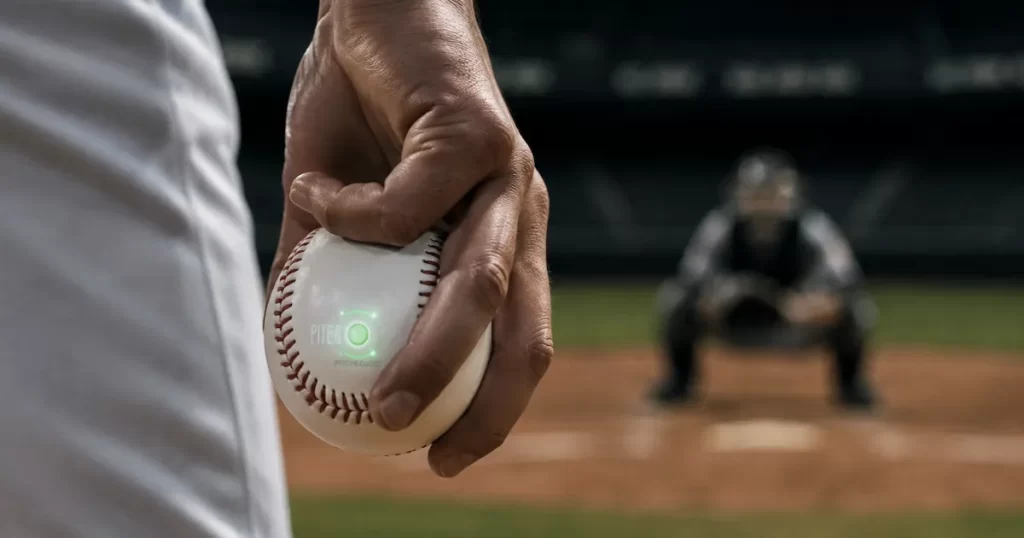
⚾ The Coach’s Quick Breakdown
- ? Best For: Pitchers who want professional-level data on their spin rate, velocity, and pitch movement.
- ? What it Tracks: Velocity, Total Spin, Spin Efficiency, Release Angle, and Vertical/Horizontal Movement.
- ? Tech: Looks and feels like a regular leather baseball but contains an internal micro-sensor.
- Gives you a $10,000 pitching lab experience directly on your smartphone for a fraction of the cost.
- The ball has the exact same weight, size, and leather seams as an official MLB baseball.
- Incredible for learning how to throw new pitches (like a slider or changeup) by seeing real-time spin efficiency.
- Strictly a training tool. Do NOT hit this ball with a bat, or you will destroy the internal sensors.
?️ Coach Jason’s Verdict: We can’t forget about the pitchers! If your son is serious about pitching, telling him to “snap his wrist more” isn’t helpful anymore. The PitchLogic ball gives you the raw numbers. If a kid wants to learn a curveball, this ball will tell him exactly what his spin axis is the second the ball hits the catcher’s mitt. It is an absolute game-changer for bullpen sessions.
10. Franklin Sports MLB Eye Black Stick
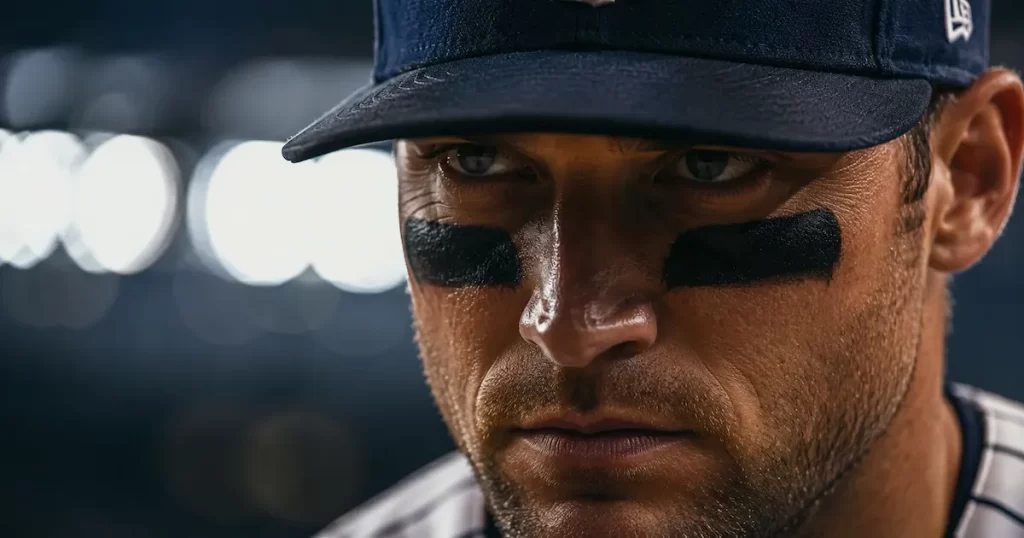
⚾ The Coach’s Quick Breakdown
- ? Best For: Reducing sun glare and adding instant “game-day swag” before the first pitch.
- ?️ Material: Non-toxic, easy-to-wash solid wax stick.
- ? Price Point: Ultimate Budget (Under $10).
- Scientifically proven to absorb light and reduce glare from the sun or stadium lights, helping you track the ball better.
- Rolls on easily like chapstick without making a mess on your hands.
- Washes off quickly after the game with just soap and warm water.
- If you wipe your face with your jersey sleeve while sweating, it will smear everywhere.
?️ Coach Jason’s Verdict: Sunglasses are great, but sometimes a player just wants that classic, intimidating warrior look. Eye black is a staple of baseball culture. It serves a very real functional purpose for high fly balls, and for less than 10 bucks, it’s a fantastic stocking stuffer or quick addition to any gear bag.
How to Choose the Right Baseball Accessory (Coach’s Buying Guide)
As a coach, I see players and parents show up to the first practice of the season with bags full of expensive gear they don’t actually need. Buying baseball accessories shouldn’t just be about looking cool on the diamond—it needs to be a strategic decision based on your specific role on the team.
Before you load up your shopping cart, here are the three golden rules I always tell my players to consider:
1. Know Your League Rules and Restrictions
Before buying anything, you must understand the rules of the league you play in (Little League, NFHS High School, or NCAA). Baseball has very strict uniform and equipment regulations, especially for pitchers.
- Pitcher Restrictions: Pitchers are generally not allowed to wear any accessories that are white or optic yellow on their pitching arm or hands (including white batting gloves in their back pocket or white wristbands), as it distracts the batter’s eye.
- Safety Gear Approval: Make sure items like sliding mitts or specialized batting helmets meet your specific league’s safety certifications. A sliding mitt is perfectly legal in almost all leagues, but some umpires will make you take off excessively long chains or reflective sunglasses.
2. Buy for Your Position, Not Just for Swag
Your position dictates exactly what gear will actually help you perform. Don’t buy a catcher’s thumb guard if you only play the outfield!
- Infielders & Outfielders: You need to prioritize lightweight performance and vision. High-contrast sunglasses (like the Oakley Prizm) are mandatory for outfielders. Infielders should prioritize a good grip (Lizard Skins) and minimal bulk so they can transition the ball from glove to hand at lightning speed.
- Hitters & Baserunners: Your absolute priority is protection. The EvoShield sliding mitt and batter’s leg guard are non-negotiable if you are an aggressive player. Protect your hands and shins first, worry about the aesthetics later.
- Pitchers: You don’t need batting gloves or sliding mitts. Your investment should go entirely toward developmental tech, like the PitchLogic smart baseball or arm-care recovery bands.
3. Match the Budget to the Player’s Level
It breaks my heart to see parents spend $150 on a Blast Motion Swing Analyzer for an 8-year-old who is still just learning how to hold a bat properly.
- Youth Players (Ages 6-10): Keep it simple and budget-friendly. Focus on a $15 bat grip, some eye black for fun, and maybe a basic thumb guard to prevent bat sting.
- High School & Travel Ball (Ages 13+): This is where you open the wallet for high-tech gear and premium protection. At this age, a jammed finger from a slide or a bad swing habit can ruin a college recruitment video. Premium batting gloves (like Bruce Bolt) and custom-molded leg guards become true investments in a player’s future.
Frequently Asked Questions
Are sliding mitts legal in high school baseball?
Yes, absolutely. Under the NFHS (National Federation of State High School Associations) rules, sliding mitts are completely legal for baserunners to wear. In fact, as a coach, I highly encourage my high school players to wear them.
The only minor restriction is that the mitt cannot be absurdly long in an attempt to artificially extend a player’s reach to the base, but all standard commercially available mitts (like the EvoShield PRO-SRZ) meet league regulations perfectly. Just remember, you cannot wear it while playing defense or batting!
Does pine tar actually help you hit better?
Yes, but not in the way most people think. Pine tar doesn’t magically make the ball jump off the bat faster. What it does is provide an incredibly tacky grip. When your grip is secure, you don’t have to squeeze the bat handle as tightly with your hands.
In baseball, loose muscles are fast muscles. By relaxing your grip, your wrists can snap through the strike zone much faster, generating higher bat speed. More bat speed equals more power. So yes, indirectly, pine tar or grip enhancers (like Tiger Stick) will absolutely help you become a better hitter.
Do MLB players pay for their own accessories?
Most of the time, no. Major League Baseball teams provide all the basic equipment, including uniforms, standard helmets, and basic cleats. For premium, highly visible accessories like custom Bruce Bolt batting gloves, Oakley sunglasses, or specialized sliding mitts, professional players usually have endorsement deals.
This means the brands actually pay the players (or provide them with an unlimited free supply) to wear their gear on national television. However, if an MLB player specifically wants a niche product they aren’t sponsored by, they might buy it themselves. It’s also worth noting that Minor League players often have to buy their own premium accessories out of pocket.
How do I choose the right baseball glove size and material?
A baseball player’s position and hand size should be taken into account while selecting a glove size and material. Choose the correct glove size by measuring the player’s hand and trying on a few different models. Because of their durability and comfort, leather gloves are universally preferred by baseball players.
How do I protect myself from injuries and sunburns while playing baseball?
Safety is crucial while preparing for baseball. Helmets, shin guards, and chest protection help prevent injuries from fast-moving balls and player collisions.
High-SPF sunscreen may also protect you from UV radiation that can produce sunburn and skin problems. In hot, sunny weather, reapply sunscreen during the game.
How often should I replace my baseball cleats?
When the cleats on a baseball shoe get worn, the sole cracks or the shoe no longer provides enough support or comfort, it’s time for a new pair. Every season, or after 70-100 games, you should get a new set.
Can I wear baseball cleats on other surfaces besides the field?
Baseball cleats are designed for usage on grass fields and should not be worn off of that surface since the spikes or studs may cause damage or even harm to other surfaces. While engaging in other activities, normal sneakers or shoes are recommended.
How do I clean my baseball accessories?
Cleaning baseball accessories entails a gentle cleaning with a soft brush or cloth and some warm water and light soap. You should stay away from damaging chemicals and abrasive materials. Let them dry thoroughly in the air before putting them away.
What are some of the advantages of using a glove-stringing kit for baseball?
You may fix or personalize your baseball glove with the help of a glove-stringing kit, which includes the necessary equipment and supplies. Using a glove-stringing kit has several benefits:
- Instead of purchasing a new glove or bringing it to a professional, you can mend it yourself.
- Adjusting the laces and replacing old or damaged components may enhance the functionality and comfort of your glove.
- It lets you change the laces’ color and pattern to customize your glove’s look.
What are scorebooks and why are they useful?
Baseball games include scorebooks, which are books with pages for documenting the game’s events and statistics. Players’ runs, hits, errors, and pitches may all be recorded with their help.
The coach, the players, and the audience may all benefit from using scorebooks to reflect on the game’s results.
Final Words
Congratulations! You now have the expertise of all the best baseball accessories for a winning game. You can’t play your best without the proper accessories and the latest technologies to keep you safe.
You know that having the proper accessories on the field may make all the difference. Your accessories are your closest buddy, from a glove that fits like a glove to bats that carry a punch.
But here’s the thing: innovation is inevitable, and if you know how to use them, you can get the most out of your performance.
Yet, don’t expect that because you have the best accessories means, you’ll be a superstar. Therefore, make an effort and give it your best, and your accessories will help you go to the next level!
Your accessories will complement your growing skill set and refined technique to help you achieve your best potential.
Before you set foot on the field the next time, consider the importance of your baseball accessories. On the baseball field, you can do great things with the right accessories and attitude.
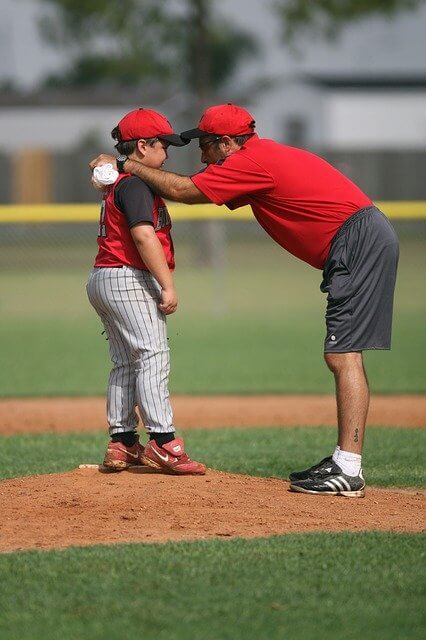
Hello everyone. My name is Jason Butler, and I live in California, America. I was a professional AAA Minor League Baseball player. I lost my chance of playing MLB for injury issues, but I did not lose my love for baseball. I attended the coaching training program and am now working as a coach in a small school in San Diego.
I always love to share my experience and knowledge if that can help you. Play baseball, and stay fit.