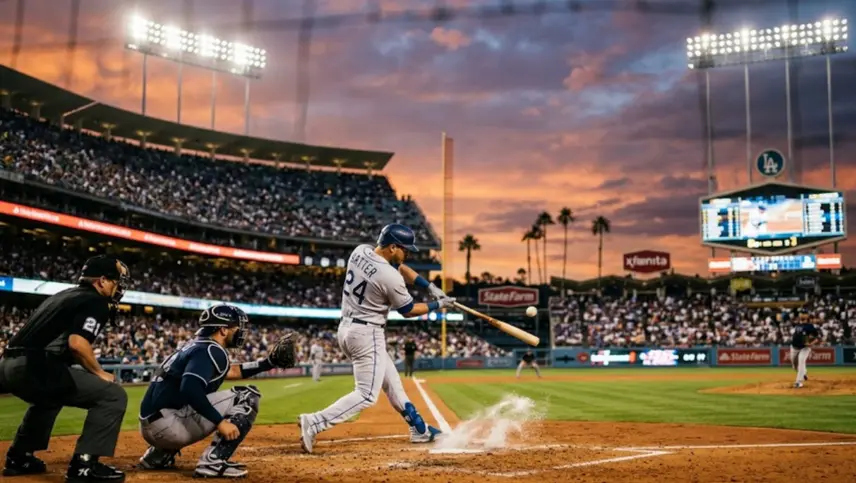
Grab a cold drink, find a comfortable seat in the shade, and let’s talk about the greatest game on earth.
If you didn’t grow up around the diamond, the American obsession with baseball can seem a little puzzling. To an outsider, it might look like a group of guys standing around in the summer heat, chewing sunflower seeds, adjusting their caps, and occasionally sprinting 90 feet.
But to an American? Baseball is a religion. It is the smell of freshly cut grass on a Tuesday evening. It is the sharp, echoing crack of a wooden ash bat that makes your heart skip a beat. It is the ritual of eating a slightly overpriced hot dog out of a little cardboard boat while the sun sets over the stadium grandstands.
Hi, I’m Coach Jason. I spent years grinding it out in the AAA Minor Leagues and have spent even more time coaching the next generation of players right here in California. Over the years, I’ve heard plenty of critics claim that “baseball is too slow” or “baseball is dying.”
Well, I’ve got news for them: Baseball isn’t dying. In fact, right now in 2026, the sport is experiencing a massive, explosive renaissance. Let’s break down exactly why Americans are so deeply, unapologetically crazy about baseball—and why the sport is currently more popular than it has been in decades.
The Rhythm of Summer and Generational Nostalgia
You cannot separate baseball from the American summer. Unlike football or basketball, which are tied to the frantic energy of autumn and winter, baseball is the soundtrack of the lazy summer months. With 162 games in a Major League season, there is a game happening almost every single day from April to October.
You don’t have to clear your Sunday schedule to watch it. It’s on the radio while you’re driving home from work. It’s playing on the TV at the local diner. It’s the backdrop to backyard barbecues and family gatherings.
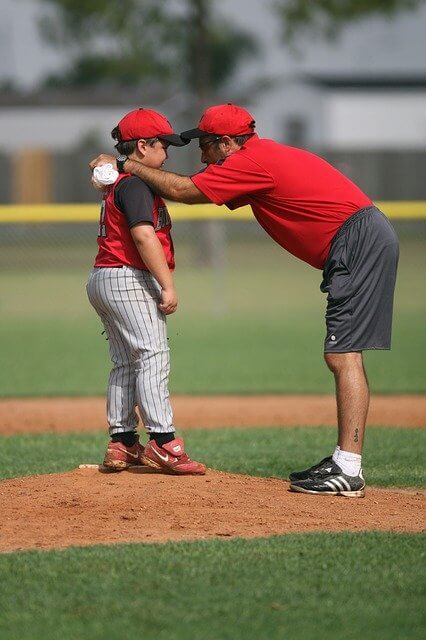
But the true magic lies in how the game is passed down. Baseball is a generational inheritance. My dad taught me how to throw a four-seam fastball in our driveway, just like his dad taught him, and just like I am teaching my players today.
You don’t just “become” a baseball fan; you inherit it. You inherit your grandfather’s tattered old glove, your mother’s unwavering loyalty to the hometown team, and the stories of the greats that came before. That deep, emotional nostalgia is wired into the American DNA.
The Chess Match: A Game of Anticipation
People who say baseball is boring simply do not understand what they are looking at. They are waiting for continuous, fast-paced action like soccer or hockey. But baseball isn’t a foot race; it is a high-stakes chess match played at 100 miles per hour.
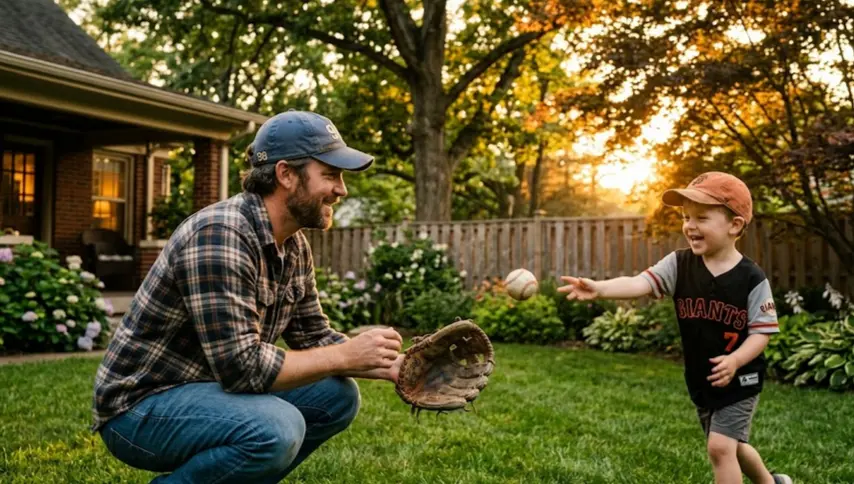
Baseball is a game built entirely on anticipation. The tension doesn’t come from constant motion; it comes from the heavy, loaded silence before the pitch is thrown.
Think about the mental warfare happening on every single pitch. It’s the bottom of the ninth inning, bases loaded, full count. The pitcher has to decide whether to throw a sweeping slider that breaks off the plate or challenge the hitter with a 99-mph fastball up in the zone.
The batter is doing the exact same calculus, trying to guess the pitcher’s intentions. The fielders are adjusting their positioning based on the hitter’s bat speed. The base runners are calculating the catcher’s arm strength.
All of this complex geometry, psychology, and strategy happens in the span of a 15-second pause. And then—boom—pure explosive athleticism. It is the contrast between the quiet buildup and the chaotic, split-second reaction that makes baseball absolutely intoxicating.
The “Everyman’s” Sport
Look at a professional basketball court, and you see athletes who are 6-foot-8 and 240 pounds. Look at a football field, and you see 300-pound gladiators. If you aren’t born with superhuman genetics, your chances of playing those sports at a high level are practically zero.
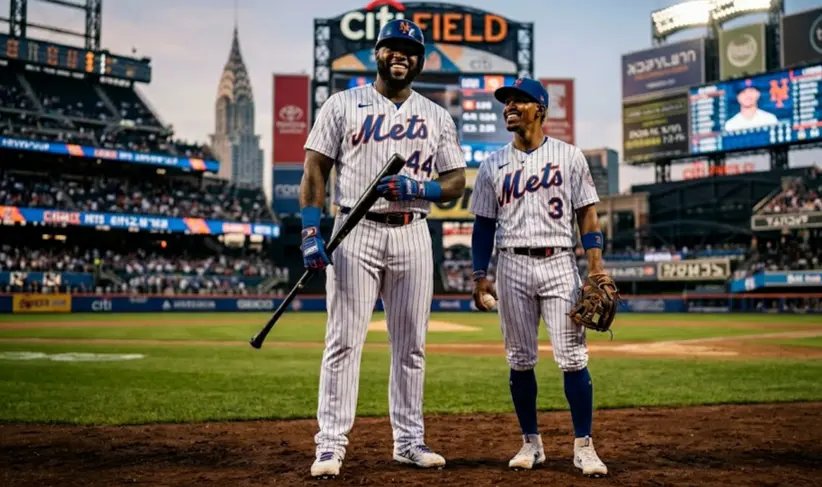
Baseball is the great equalizer. It is the ultimate “everyman’s” sport.
You don’t have to be a giant to succeed. Just look at guys like Jose Altuve, who stands at 5-foot-6 and is one of the most feared hitters of his generation. Or look at a guy like Aaron Judge, who is built like a 6-foot-7 lumberjack.
You have wiry, skinny pitchers who can throw a baseball through a brick wall, and stocky, heavy-set catchers who have the reflexes of a cat.
Because the game relies on hand-eye coordination, timing, and repetition rather than pure brute strength or height, any kid in America can pick up a bat and dream of making it to the big leagues. It gives the sport an incredibly relatable, working-class charm that resonates with the average person.
The Great Modern Renaissance (Why It’s Booming Right Now)
A few years ago, the critics were loud. Games were taking over three hours, there was too much “dead time,” and the younger generation’s attention span was allegedly too short for the sport.
But then, Major League Baseball did something brilliant: they adapted. In 2023, they introduced the pitch clock, banned the extreme defensive shifts, and made the bases larger. And boy, did it work.
As a coach, I can tell you that these rule changes saved the modern game. We shaved nearly 30 minutes off the average game time, bringing it down to a crisp two hours and 36 minutes—the fastest pace we’ve seen since the 1980s. The larger bases brought back the lost art of the stolen base, injecting a massive dose of speed and action back onto the diamond.
And the fans responded in a historic way. In 2024, MLB recorded its highest attendance in seven years, drawing over 71 million fans to the ballparks. It was the first time in over a decade that the league saw back-to-back years of attendance growth.
But it didn’t stop there. Moving into 2025 and 2026, the TV ratings have absolutely exploded. We are seeing Sunday Night Baseball viewership hit numbers we haven’t seen since 2017.
National networks are reporting double-digit growth in the 18-to-34-year-old demographic. The kids aren’t just watching; they are becoming obsessed. The sport shed its “slow” reputation and transformed back into the premier entertainment ticket of the summer.
The Global Unicorns and Hometown Giants
You can’t talk about the current American baseball craze without talking about the superstars who are currently taking our breath away.
In the past, baseball marketing was highly regionalized. You cared about your local team, but maybe not the guys playing across the country. Today, the star power in the league transcends city limits and international borders.
We are living in the era of Shohei Ohtani. As I wrote in our recent “GOAT Debate” article, Ohtani is a modern unicorn. The man is hitting 50+ home runs and stealing 50+ bases while simultaneously pitching like an absolute ace.
He has brought a massive surge of international viewership from Japan and has captivated the American audience. He has that quiet, mysterious aura combined with comic-book-level talent.
Then you have homegrown giants like Aaron Judge in New York, launching towering 450-foot home runs into the bleachers and looking like Paul Bunyan in pinstripes.
You have young, electrifying pitching phenoms like Paul Skenes arriving on the scene and throwing 102-mph heat that breaks the internet every time he takes the mound.
These players aren’t just athletes; they are cultural icons. In an era where sports fans crave highlights, baseball is producing viral, jaw-dropping moments every single night.
The Minor League Ecosystem: The Heartbeat of Small Towns
Finally, to truly understand the American craze for baseball, you have to look outside the major cities. You have to look at places where the stadium lights illuminate cornfields and small-town main streets.
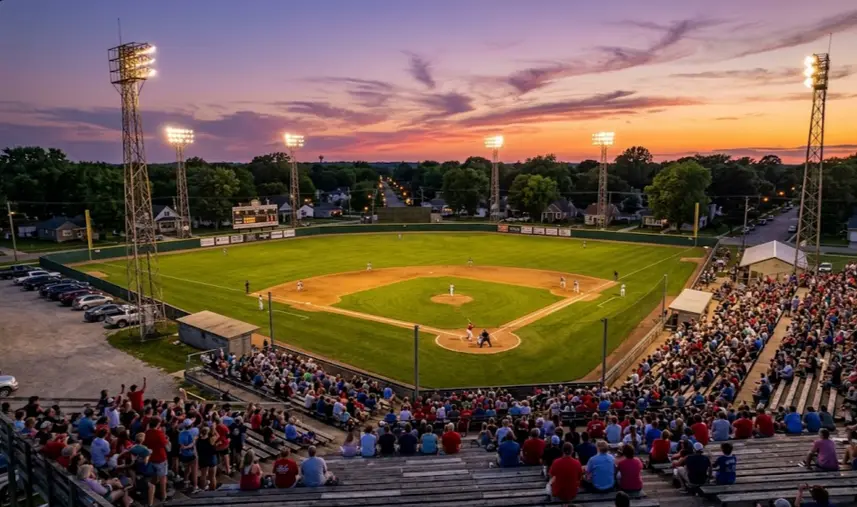
The Minor League Baseball (MiLB) ecosystem, alongside college and high school baseball, is the true heartbeat of the sport. Millions of Americans who live hundreds of miles from a Major League stadium pack into small, intimate bleachers every week to watch AA and AAA games.
Minor league games are cheap, family-friendly, and pure. They feature wacky promotions, players signing autographs for kids over the dugout railings, and communities rallying around their local boys of summer.
It is grassroots Americana at its absolute finest. As a former minor leaguer myself, I can confidently tell you that the soul of baseball lives in these small towns just as much as it does in Yankee Stadium or Dodger Stadium.
The Coach’s Final Verdict
Why are Americans so crazy about baseball? Because it is a perfect reflection of life itself.
It is a game of failure—even the best hitters in the Hall of Fame fail 70% of the time they step to the plate. It teaches resilience, patience, and the value of showing up to the yard every single day, ready to grind.
It connects grandfathers to grandsons, it fills the quiet summer evenings with the soothing hum of a radio broadcast, and right now, it is delivering the most electrifying athletic performances on the planet.
Baseball isn’t just America’s pastime. It is America’s passion. And trust me, the game has never been healthier.
Hello everyone. My name is Jason Butler, and I live in California, America. I was a professional AAA Minor League Baseball player. I lost my chance of playing MLB for injury issues, but I did not lose my love for baseball. I attended the coaching training program and am now working as a coach in a small school in San Diego.
I always love to share my experience and knowledge if that can help you. Play baseball, and stay fit.